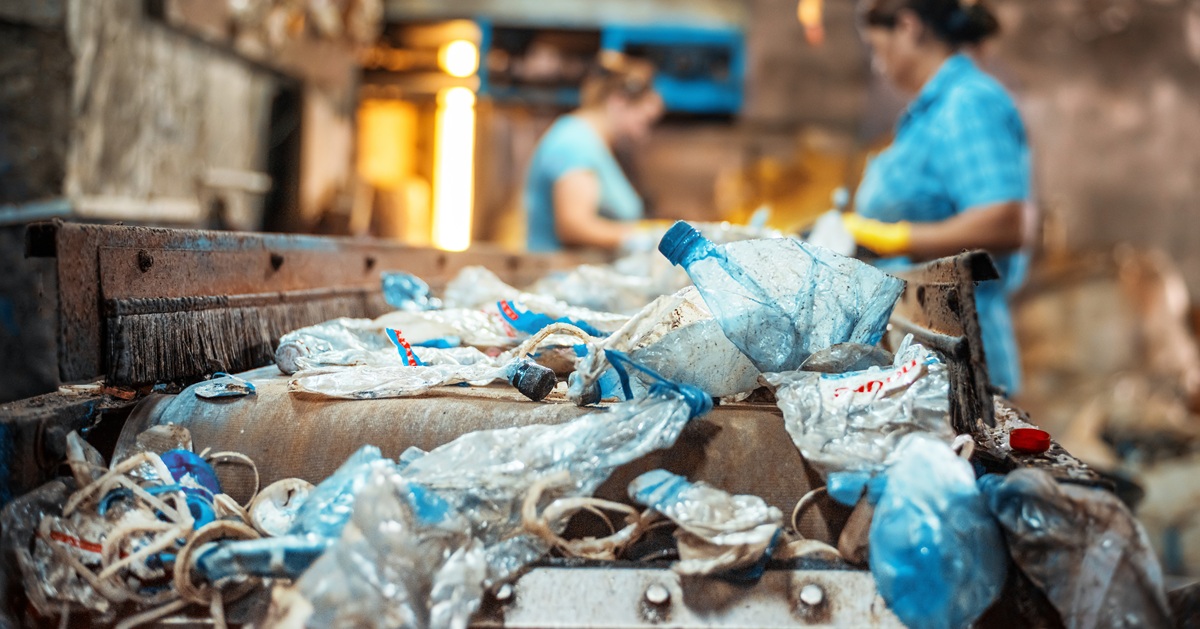
Beaches are a place to relax, play, and take a deep breath. People love them. But beaches can also get very dirty. Plastic bottles, food wrappers, cigarette butts, fishing lines, and bits of glass often end up on the sand. Some trash comes from people on the beach. Some of it washes up from the sea. If waste stays on the shore, it harms birds, turtles, and fish. It also makes the beach less pleasant for visitors.
Cleaning a beach well takes more than just a few people with bags. It needs planning, the right tools, and a steady routine. Modern beach cleaning solutions help local authorities and communities keep beaches safe and clean. They make the work faster, cleaner, and kinder to nature.
Why cleaning beaches matters
Clean beaches are good for many reasons:
- Health and safety: Broken glass or sharp metal can cut feet. Trash can make
people sick. - Wildlife protection: Birds and turtles often eat plastic by mistake. This can hurt
or kill them. - Tourism and business: A clean beach attracts more visitors. Local shops,
hotels, and food stalls do better. - Ocean health: Trash on the shore can be swept back into the sea, hurting
marine life.
So, cleaning beaches helps people and nature both.
Problems with old methods
People used to clean beaches mostly by hand. Workers and volunteers would walk the sand with sacks and pick items one by one. This method can work well, but it has limits:
- It is slow on big beaches.
- It is hard to remove tiny plastic pieces or microplastics.
- It needs many people to be regular and steady.
- Sometimes the work stops because of money or lack of tools.
Because of those limits, many places now use machines and systems that help people do
the job better.
What modern beach cleaning looks like
Modern beach cleaning mixes machines with good planning. These tools make it easier to remove both big items and small debris in a way that does not hurt the sand or local animals.
- Sand-sifting machines
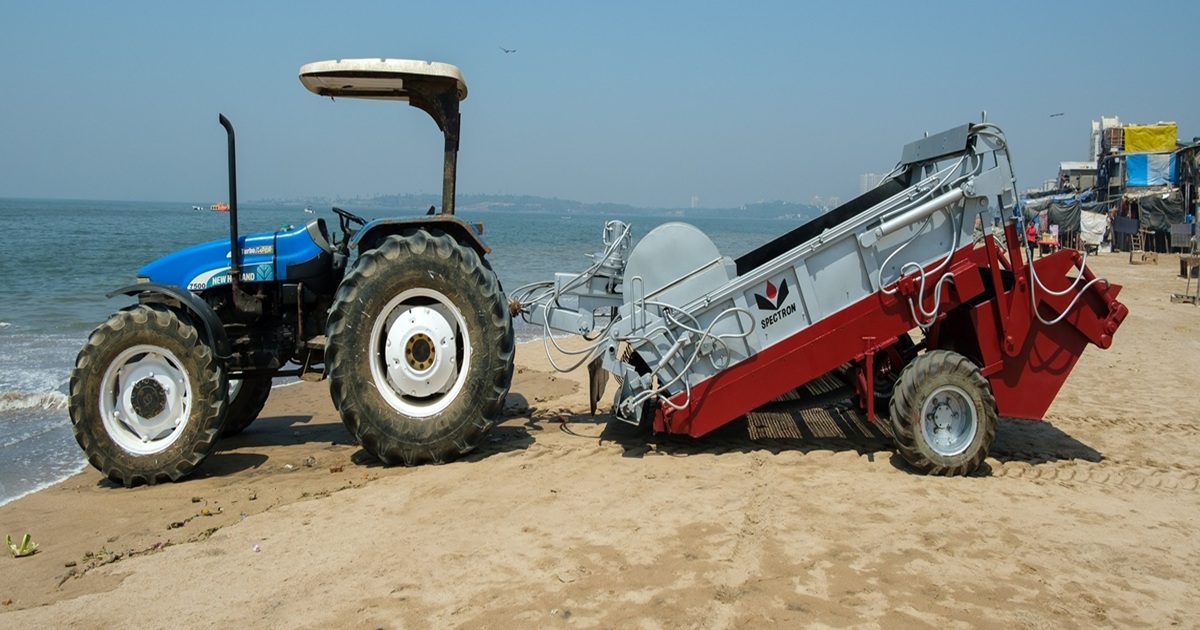
These machines move across the sand and sift out trash. They leave the sand behind but pick up plastic, glass, and other items. They work faster than people and find small things that are hard to see. - Handheld tools and rakes
For places where machines can’t go, people use rakes and small sifters. These are useful near rocks, behind dunes, or close to nesting sites. - Waste sorting and collection systems
After collecting trash, it is important to sort it. Some waste can be recycled, some must be composted, and some needs safe disposal. Sorting helps reduce waste going to landfills. - Simple monitoring apps
Some teams use apps to mark which areas need cleaning and which are clean. These apps help plan when machines or volunteers should come back. They can show where most trash collects, like near parking lots or by river mouths. - Eco-friendly machines
New cleaning tools try to avoid harm. They run quietly so birds are not scared. They keep the sand’s top layer healthy, which matters for small creatures living there.
How communities can take part
Cleaning works best when many people help sometimes and authorities support often.
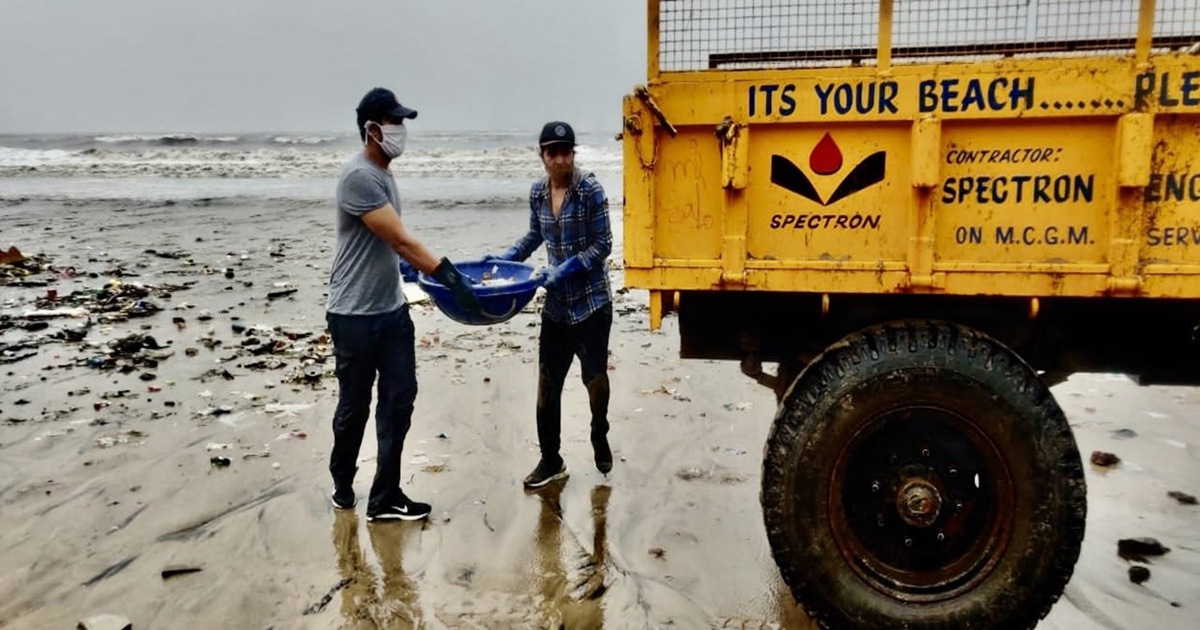
- Volunteers: Community groups, schools, and tourists can join clean-up days.
- Local rules: Simple rules like “no plastic bags” or “more bins” help a lot.
- Businesses: Shops and hotels can support clean-ups or reduce single-use plastics.
- Education: Signs that show “please take your trash” help visitors remember.
- Partnerships: City councils can partner with private firms for machines and training.
When everyone plays a small part, the beach stays nicer for longer.
Spectron Group’s role (light mention)
Some companies build cleaning machines and systems for beaches. Spectron Group makes tools that are easy to use and kind to the environment. Their machines help remove both visible trash and smaller pieces buried in the sand. They also design tools that need little maintenance and can be used by small local teams. This kind of support helps many towns keep their beaches clean without big costs.
Things to watch out for when choosing cleaning tools
If a city wants new beach cleaning tools, they should think about:
- Size of the beach — big beaches need bigger machines or more machines.
- Sand type — fine sand and rocky sand need different tools.
- Wildlife — nesting areas for turtles or birds may need special care.
- Budget — some solutions cost more but work faster.
- Local help — will volunteers or staff be available regularly?
Choosing the right tools means cleaner beaches and less wasted money.
Long-term approach
Short visits to clean are helpful, but long-term planning matters most. Regular schedules, good bins, clear public messages, and steady funding keep beaches clean all year. Recycling the collected waste reduces pressure on landfills. Teaching visitors and locals not to leave trash helps even more.
When cleaning is done well, the beach becomes safer for children to play, for elderly people to walk, and for animals to live without danger. It also helps local shops and hotels that depend on visitors.
A simple way forward
Start small. Get a few tools. Train a team. Run weekend clean-ups. Add machines as needed. Keep records with a simple app or notebook. Show clear signs that ask visitors to take their trash. Work with businesses and volunteers.
Small steps repeated over time lead to big changes.
Conclusion
Keeping a beach clean is not one big job — it is a lot of small, steady actions. With the right tools, regular care, and a few people who care, a beach can stay beautiful for everyone. When towns, visitors, and businesses work together, the shoreline becomes a place where families can relax safely and nature can thrive.