Industries play a major role in economic growth. They create jobs, produce goods, and support daily life. At the same time, industrial activities also generate waste. If this waste is not managed properly, it can harm the environment, human health, and surrounding communities. This is why waste management solutions are very important for industries today.
Modern waste management is not only about disposal. It focuses on reducing waste, handling it responsibly, and finding ways to reuse or recycle materials. In this blog, we will explore how waste management solutions help industries build a cleaner and more sustainable ecosystem.
Understanding Industrial Waste
Industrial waste includes all unwanted materials produced during manufacturing and operations. This can be solid waste, liquid waste, or gaseous emissions. Examples include scrap materials, chemicals, wastewater, packaging waste, and by-products.
Different industries generate different types of waste. Some waste is hazardous and needs special handling. Other waste can be recycled or reused. Understanding the type of waste is the first step toward proper management.
Proper classification helps industries choose the right treatment and disposal methods.
Importance of Waste Management in Industries
Waste management is essential for protecting the environment. Poor waste handling can contaminate soil, water, and air. This can lead to long-term environmental damage.
Effective waste management also protects human health. Workers and nearby communities are at risk if waste is not handled safely. Proper systems reduce exposure to harmful substances.
In addition, waste management helps industries comply with environmental laws and regulations. Compliance avoids penalties and supports responsible business practices.
Reducing Waste at the Source
One of the most effective waste management strategies is reducing waste at the source. This means minimizing waste during production itself.
Engineering and process planning play a key role here. Efficient designs use fewer raw materials and produce less scrap. Better planning also reduces overproduction and material wastage.
Reducing waste at the source saves costs and reduces environmental impact. It is the first step toward sustainable operations.
Waste Segregation and Handling
Proper waste segregation is essential for effective management. Different types of waste should be separated at the point of generation.
Segregation makes recycling easier and safer. It also ensures that hazardous waste does not mix with general waste. Clear labeling and designated storage areas support safe handling.
Trained staff and clear procedures help maintain proper segregation. This improves efficiency and reduces risks.
Recycling and Reuse in Industrial Operations
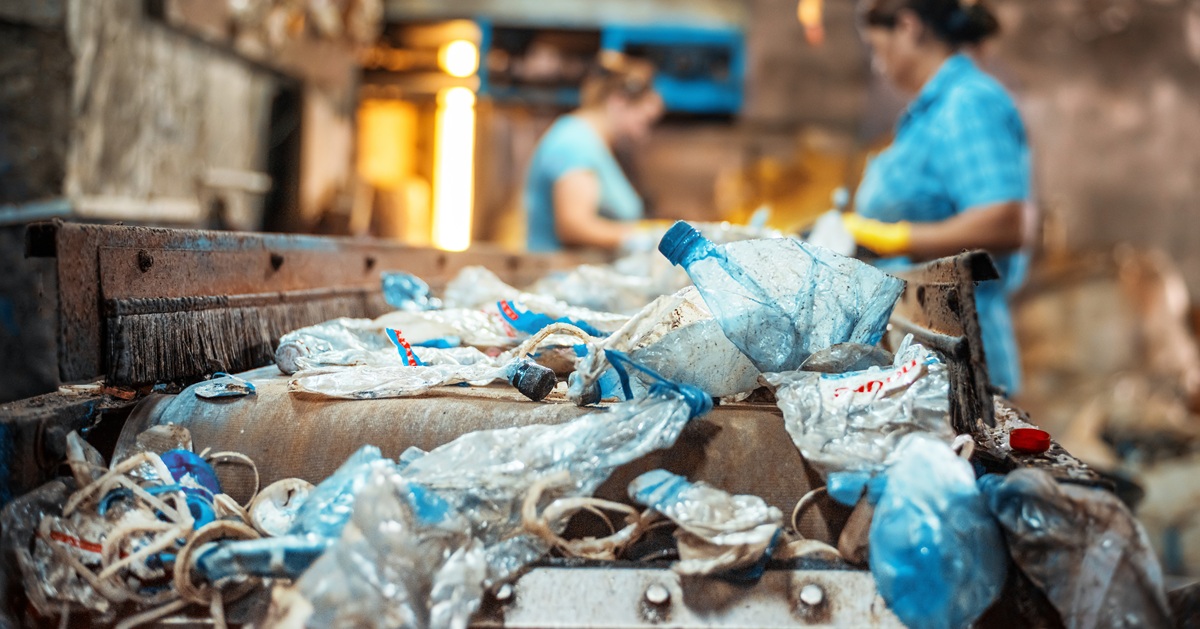
Recycling and reuse are important parts of modern waste management. Many industrial materials can be recycled and used again.
Metal scrap, plastics, paper, and packaging materials are common examples. Reusing these materials reduces the need for new raw materials.
Some industries also reuse wastewater after treatment. This reduces water consumption and supports conservation efforts.
Recycling and reuse reduce landfill waste and support a circular economy.
Safe Disposal of Hazardous Waste
Hazardous waste requires special attention. This type of waste can be harmful to people and the environment.
Industries must follow strict guidelines for hazardous waste disposal. This includes proper storage, transportation, and treatment.
Special facilities are used to treat hazardous waste safely. Proper disposal prevents contamination and protects ecosystems.
Safe handling of hazardous waste is a critical responsibility for industries.
Technology in Waste Management Solutions
Technology has improved waste management practices significantly. Modern systems help industries monitor and manage waste more effectively.
Automated systems track waste generation and movement. Treatment technologies help neutralize harmful substances.
Data analysis helps industries identify waste trends and improvement areas. Technology enables better planning and reporting.
Smart waste management systems support efficiency and transparency.
Environmental and Economic Benefits
Effective waste management provides both environmental and economic benefits. Reduced pollution protects natural resources and biodiversity.
From an economic perspective, waste reduction and recycling lower disposal costs. Recovered materials can also generate value.
Sustainable practices improve brand image and stakeholder trust. Customers prefer companies that care about the environment.
Waste management supports both responsibility and profitability.
Compliance and Corporate Responsibility
Environmental regulations are becoming stricter. Waste management solutions help industries stay compliant.
Proper documentation and reporting support audits and inspections. Compliance reduces legal risks and builds credibility.
Corporate responsibility goes beyond compliance. Responsible waste management reflects ethical business values.
Industries that take responsibility contribute positively to society and the environment.
Building a Sustainable Industrial Ecosystem
A clean industrial ecosystem benefits everyone. Waste management solutions support long-term sustainability.
Collaboration among teams, suppliers, and partners improves waste practices. Training and awareness programs encourage responsible behavior.
Sustainability is a continuous journey. Waste management is a key part of this journey.
Conclusion
Waste management solutions are essential for building a cleaner industrial ecosystem. They help industries reduce environmental impact, protect health, and comply with regulations. By focusing on waste reduction, recycling, safe disposal, and smart technology, industries can manage waste responsibly.
A cleaner ecosystem supports long-term industrial growth. When industries take ownership of their waste, they create a positive impact beyond their boundaries. Responsible waste management is not just a necessity. It is a commitment to a healthier environment and a more sustainable future for generations to come.