Introduction
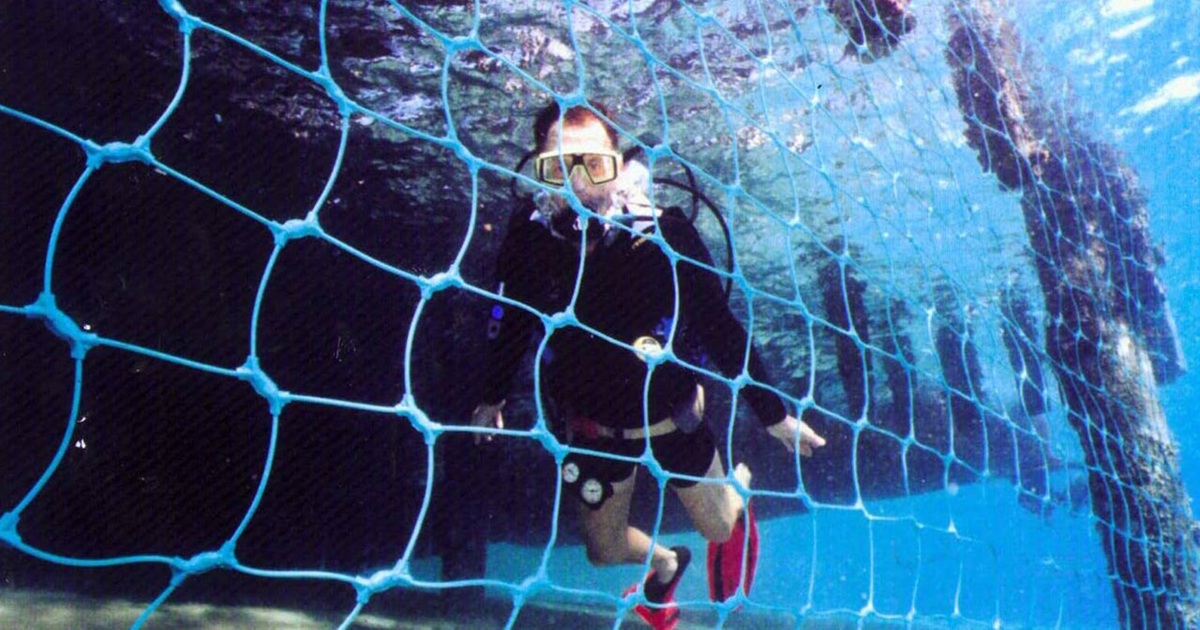
Commerce, defense, and energy all depend on waterways. Yet below the surface, visibility drops, sound behaves differently, and security blind spots multiply. Divers, swimmer delivery vehicles, ROVs, and autonomous underwater drones can approach quietly, exploiting currents, piers, and intake structures. To counter this domain, organizations need a partner that understands both ocean physics and security doctrine. Spectron Group serves clients as an end-to-end Underwater Intrusion Detection System provider, delivering layered sensing, resilient infrastructure, and operator workflows that translate detections into timely action.
The underwater threat landscape
Risks vary by site. Naval bases face reconnaissance swimmers and device placement on hulls. LNG terminals and refineries worry about pipeline sabotage and intake obstruction. Commercial ports must deter smuggling beneath pilings and through breakwaters. Even bridges and coastal power plants require awareness of suspicious presence near pylons and cooling water intakes. These environments are acoustically complex ship propellers, wave noise, and marine life can overwhelm naïve sensors. An experienced Underwater Intrusion Detection System provider shapes systems around those realities.
What a modern UIDS looks like
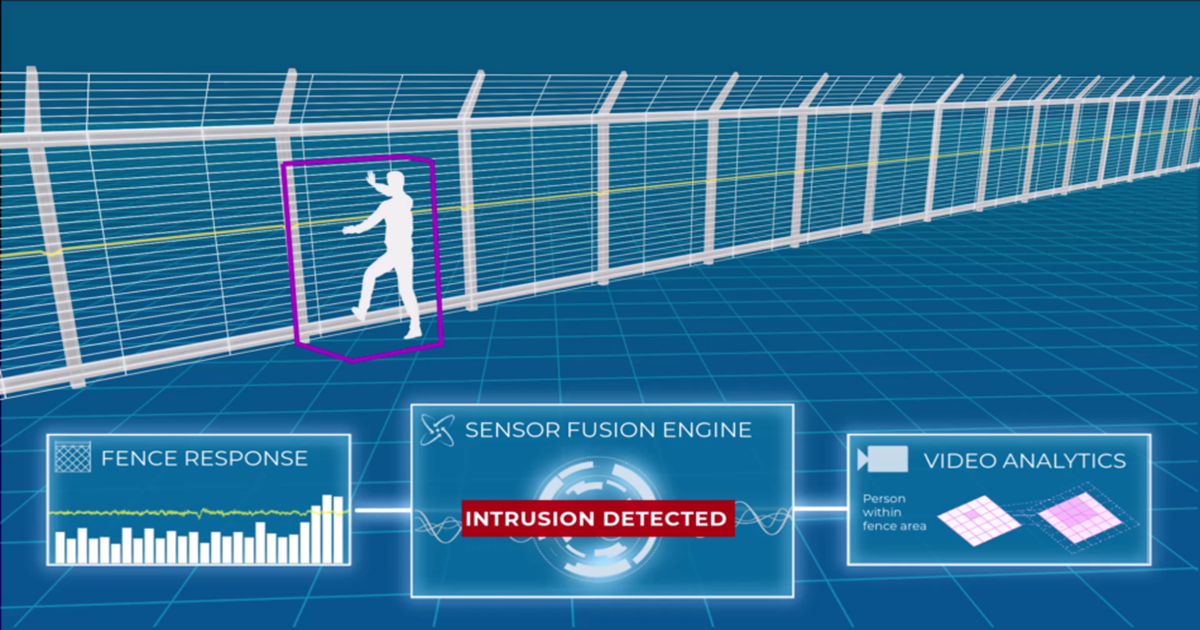
A robust system layers complementary modalities. Passive and active sonar detect motion and characterize targets by acoustic signature. Magnetic anomaly detectors flag ferrous objects near hulls. High-sensitivity hydrophones pick up diver breathing apparatus. Optical low-light cameras and thermal imagers confirm contacts near the surface. Surface radar and AIS tracks contextualize small craft behavior. All feeds converge into a command console that fuses signals, applies AI classification models, and issues graded alerts with recommended actions.
Spectron’s approach to design and deployment
Every harbor has a personality bathymetry, salinity, turbidity, tides, and traffic patterns. Spectron begins with a site survey and acoustic modeling to position sensors where performance is highest and maintenance is practical. Cable routes, power and network redundancy, and protected enclosures are engineered for corrosion and biofouling resistance. As an Underwater Intrusion Detection System provider, Spectron delivers turnkey projects: procurement, installation, integration with VMS/PSIM platforms, user training, and acceptance testing, followed by lifecycle maintenance.
Detection to response: closing the loop
Detection is only useful when paired with doctrine. Spectron develops response playbooks aligned to client rules of engagement: alert tiers, camera slews to cue visual confirmation, spotlight or acoustic hailer activation, deployment of intercept boats or ROVs, and escalation pathways to port police or naval units. Audit trails record what was detected, when, by which sensor, and how operators acted critical for investigations and continuous improvement.
Key capabilities clients rely on
- Real-time diver and vehicle detection within defined exclusion zones.
- Low false-alarm rates thanks to multi-sensor fusion and machine learning tuned to local noise.
- Range and coverage tailored from small marinas to multi-kilometer perimeters.
- Ruggedized hardware antifouling coatings, sacrificial anodes, pressure-rated housings.
- Cybersecure networking with segmented VLANs and encrypted telemetry.
- Blackout resilience via UPS, generators, and offline recording buffers.
Use cases across sectors
Defense: Protect submarine pens, ordnance depots, and ship berths from swimmer delivery devices and limpet mines.
Oil & gas: Monitor pipelines, SPMs, FPSOs, and cooling intakes against tampering and debris hazards.
Commercial ports: Deter smuggling under piers, safeguard cruise terminals, and secure ferry landings.
Public infrastructure: Watch bridge foundations, desalination plants, and coastal power stations for suspicious presence.
Performance measurement that matters
Spectron defines KPIs with clients: detection probability for specific targets, maximum acceptable false alarm rates per shift, time-to-alert after target entry, and mean time to respond. Regular drills with training targets dummy divers, acoustic beacons, and ROV runs validate readiness. As a seasoned Underwater Intrusion Detection System provider, Spectron reports these metrics in dashboards that leadership can understand and fund.
Integrations and interoperability
UIDS rarely exist alone. Spectron integrates with access control, shoreline CCTV, thermal cameras, boom barriers, and RF direction finders. AIS and radar overlays flag small craft loitering near restricted zones. For defense customers, data can flow to maritime operation centers via standardized protocols. Where clients operate UVIS/UVSS at gates, Spectron links alerts so a suspicious underwater contact can cue enhanced topside inspection on exiting vehicles.
Environmental stewardship
Underwater security must respect marine life. Spectron selects sonar modes and duty cycles that limit acoustic impact, schedules maintenance to avoid spawning seasons, and collaborates with environmental authorities. Sensors are placed to minimize habitat disturbance, and power efficiency reduces operational footprint. Responsible practices and transparent impact assessments help clients maintain social license while enhancing security.
Training and change management
Great tech needs skilled operators. Spectron delivers tiered training basic console operation, advanced classification interpretation, and incident leadership. Scenario libraries expose teams to weather, night, and high-traffic conditions. SOPs, quick-reference guides, and periodic refreshers build confidence. For 24/7 sites, staffing models balance vigilance and fatigue.
Costing, lifecycle support, and future-readiness
Capital budgets cover sensors, mounts, cabling, consoles, and integration. Operating budgets include cleaning for biofouling, firmware updates, and periodic calibration. Spectron offers maintenance contracts with guaranteed response times, spare pools, and remote diagnostics. AI models improve with site data; edge processing reduces latency; autonomous surface vessels can extend coverage dynamically. As threats evolve, partnering with an adaptable Underwater Intrusion Detection System provider ensures upgrades are incremental, not rip-and-replace.
FAQs
- Will sonar disturb marine mammals? Systems are configured with conservative duty cycles and frequencies; environmental reviews and monitoring plans are part of every deployment.
- How far can it detect a diver? Range depends on salinity, depth, noise, and orientation; Spectron models each site to guarantee realistic probabilities of detection rather than generic claims.
- Can UIDS work in rivers or turbid estuaries? Yes acoustic and magnetic sensing paired with smart filtering maintains performance in challenging turbidity and current.
- How are false alarms handled? Multi-sensor confirmation and operator workflows reduce nuisance alerts; events are labeled to retrain models and further lower rates.
Call to action
If your port, base, or energy facility needs underwater domain awareness, engage Spectron early. As a proven Underwater Intrusion Detection System provider, we’ll design a solution that fits your threat profile, integrates with your topside security stack, and scales as missions change.