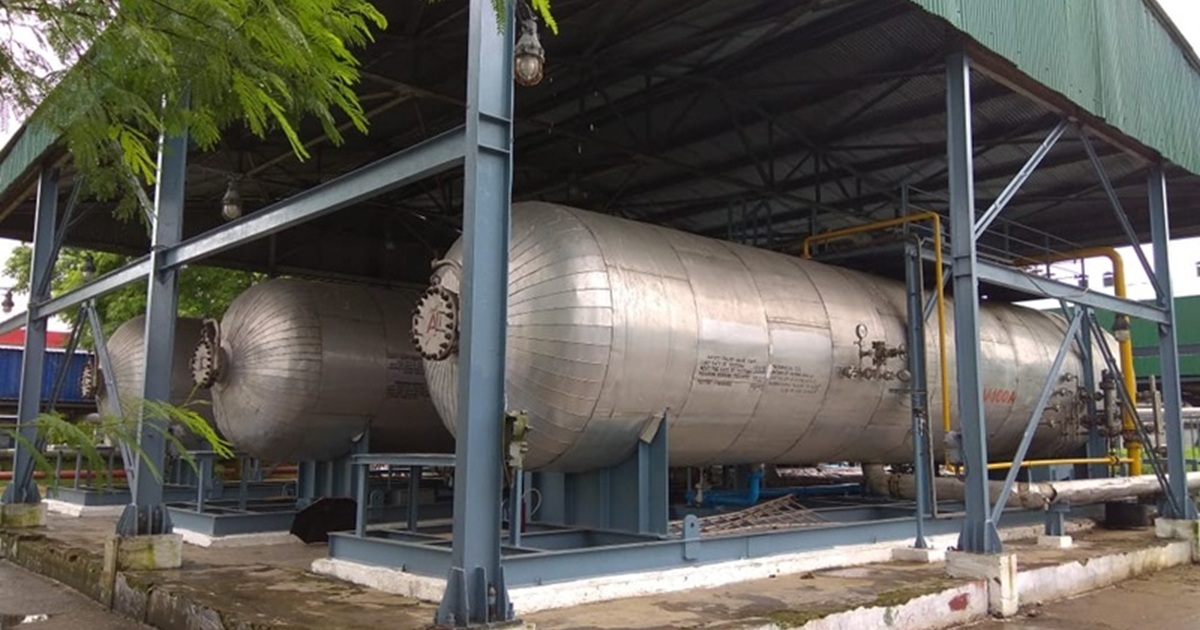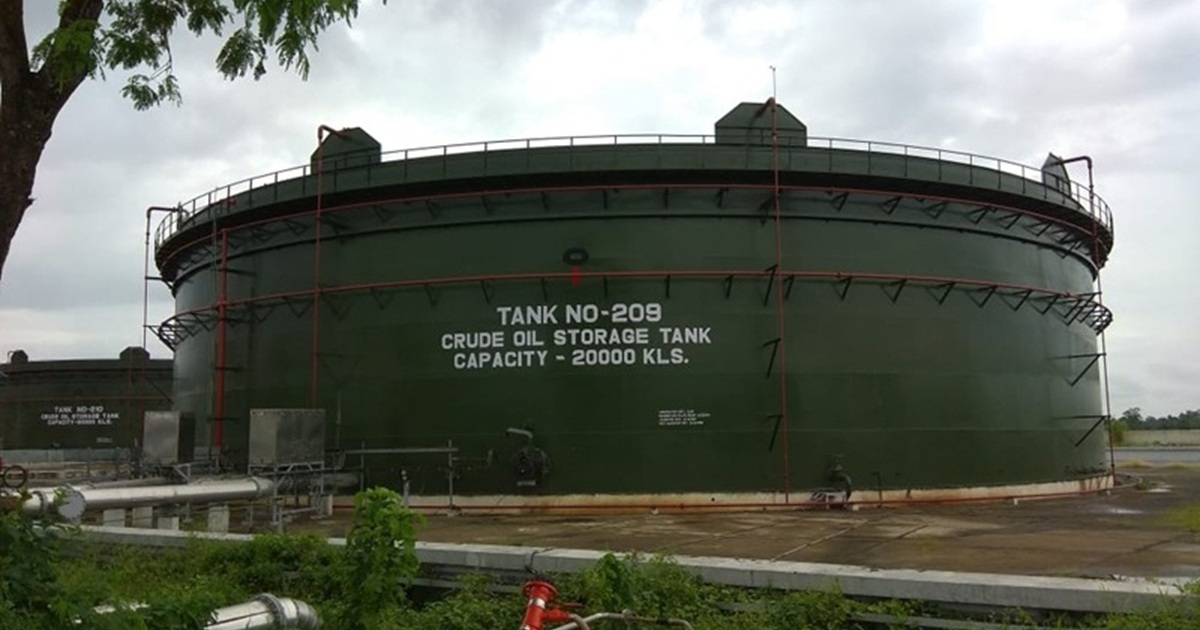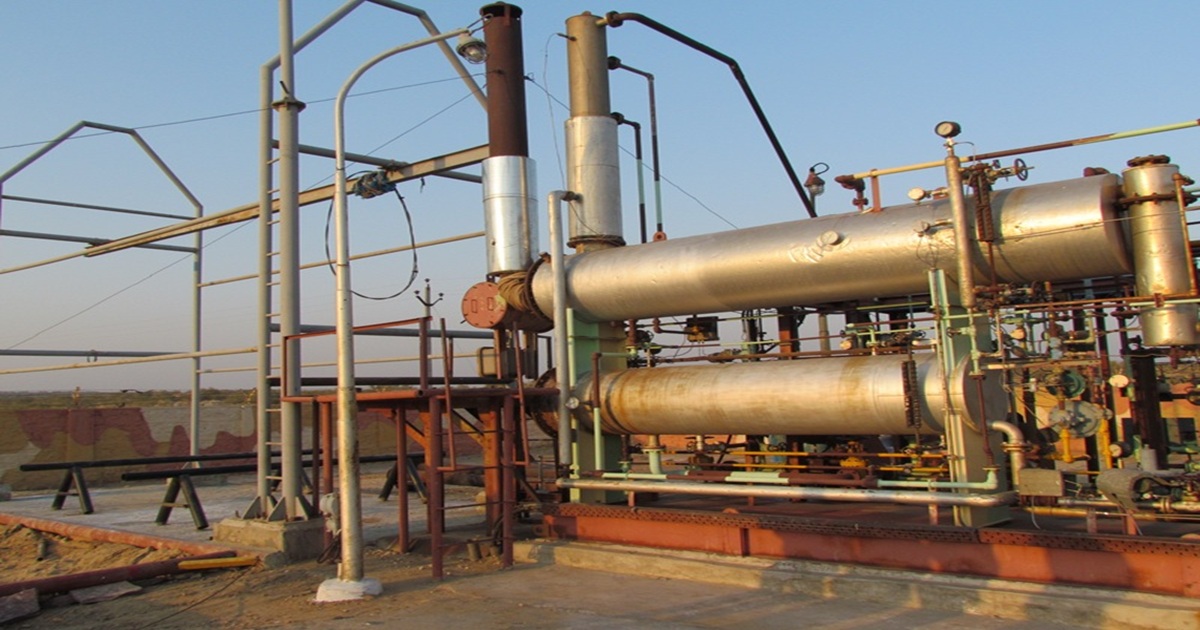
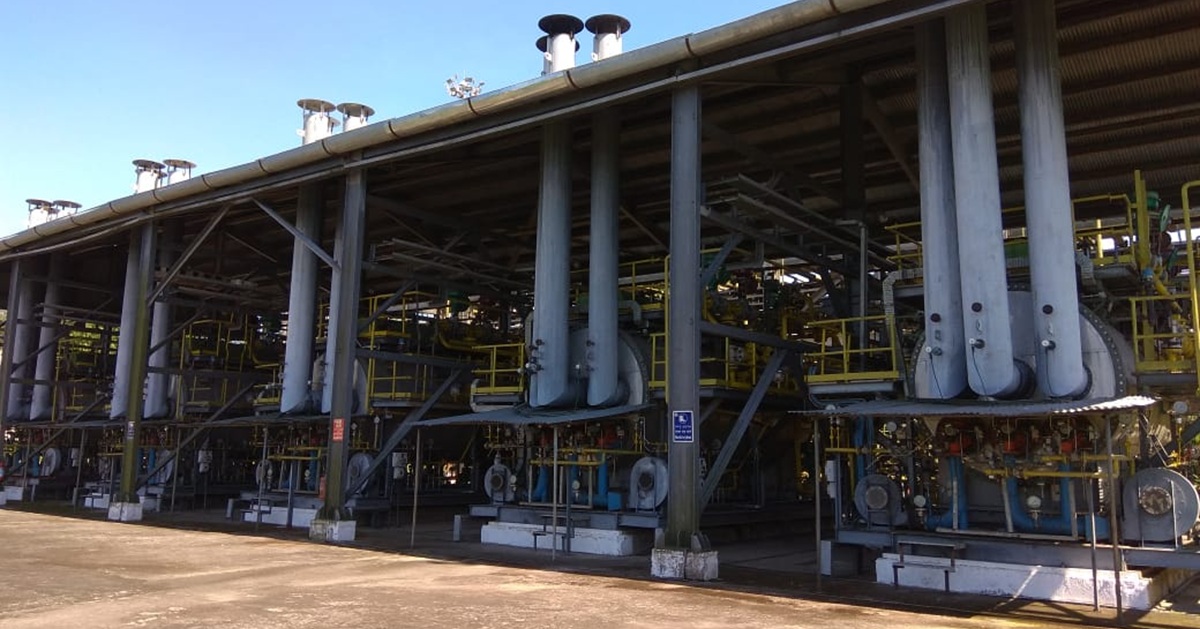
The journey of crude oil from the ground to the refinery is long and complex. When crude oil is extracted, it is not in a pure form. It contains water, gases, salts, and solid particles that make it unfit for direct processing. These impurities can cause corrosion, clogging, and inefficiency in pipelines and refining equipment. That’s where Crude Conditioning Plants play an important role.
A Crude Conditioning Plant (CCP) is designed to clean, treat, and prepare raw crude oil before it is transported or refined. It removes unwanted substances to improve oil quality, ensure safety, and enhance overall process efficiency. Spectron Group is one of the leading providers of such systems, offering modern and reliable solutions to oil producers around the world.
Why Crude Conditioning Is Important?
Crude oil that comes directly from the well is rarely usable in its raw state. It carries impurities that not only reduces its value but can also harm expensive machinery. The key reasons crude conditioning is essential include:
- Prevents Corrosion: Salts and water can corrode pipelines, tanks, and refining units, leading to costly maintenance.
- Improves Refining Efficiency: Clean crude oil is easier and faster to process at the refinery.
- Ensures Safety: Removing gas and water reduces the risk of pressure buildup and accidents.
- Meets Quality Standards: Oil companies must meet specific export or refinery specifications. Conditioning helps achieve that.
- Environmental Protection: Treating crude before transport reduces spills and emissions.
Without proper conditioning, oil companies face higher costs, breakdowns, and lower profitability.
How Crude Conditioning Plants Work
Although each crude conditioning plant is designed based on the specific type of crude and location, the core process remains similar. The main steps include:
1. Initial Separation
The extracted crude is first separated into gas, oil, and water using a three-phase separator. This step removes most of the free gas and water.
2. Heating and Chemical Treatment
The oil is then heated to break down emulsions - mixtures of oil and water. Sometimes, chemical demulsifiers are added to make this process faster.
3. Dehydration
Dehydration removes the remaining water content from the oil. This is done using electrostatic coalescers, where electric fields help merge small water droplets so they can be easily separated.
4. Desalting
In this step, dissolved salts like sodium chloride are removed. Fresh water may be mixed with the oil to dilute the salts before being separated again.
5. Stabilization
The final step is stabilization, where light gases are removed to make the crude oil safe for storage and transportation.
6. Quality Check
Once the oil has been treated, samples are tested to ensure the crude meets the required quality standards.
Key Features of Spectron Group’s Crude Conditioning Plants
Spectron Group designs crude conditioning systems that combine technology, efficiency, and safety. Some of the main features include:
- Modular Design: Easy to install, expand, and relocate based on production needs.
- Automated Controls: Advanced control systems for real-time monitoring and efficiency.
- Energy Efficiency: Optimized heaters and separators reduce power consumption.
- Safety Systems: Equipped with pressure and temperature control to prevent hazards.
- Durable Construction: Built from corrosion-resistant materials suitable for harsh oilfield conditions.
These features ensure that Spectron’s plants deliver consistent performance even in challenging environments.
Benefits of Using Crude Conditioning Plants
Crude conditioning plants bring multiple benefits across different stages of oil production:
- Enhanced Oil Quality: Removes unwanted components and improves the value of crude.
- Reduced Downtime: Clean crude means fewer maintenance issues in downstream equipment.
- Longer Equipment Life: Prevents corrosion and scaling in pipelines and tanks.
- Better Safety Standards: Stabilized crude reduces fire and explosion risks.
- Environmental Compliance: Minimizes leaks, emissions, and waste generation.
- Operational Efficiency: Automated systems ensure smooth, continuous operation.
In simple terms, crude conditioning adds value while reducing risk and cost.
Spectron Group’s Commitment to Innovation
Spectron Group focuses on delivering high-performance solutions customized for each client. Their crude conditioning plants are the result of years of research, innovation, and field experience. The company provides end-to-end services including system design, installation, commissioning, and technical support.
Conclusion
Crude conditioning might seem like a small part of the oil production chain, but its impact is huge. It ensures that every barrel of oil extracted is clean, safe, and ready for refining or sale.
With Spectron Group’s advanced crude conditioning plants, oil producers can achieve better quality output, longer equipment life, and higher overall efficiency. In a world where both cost control and environmental care are vital, investing in high-quality conditioning technology is a smart and sustainable choice.