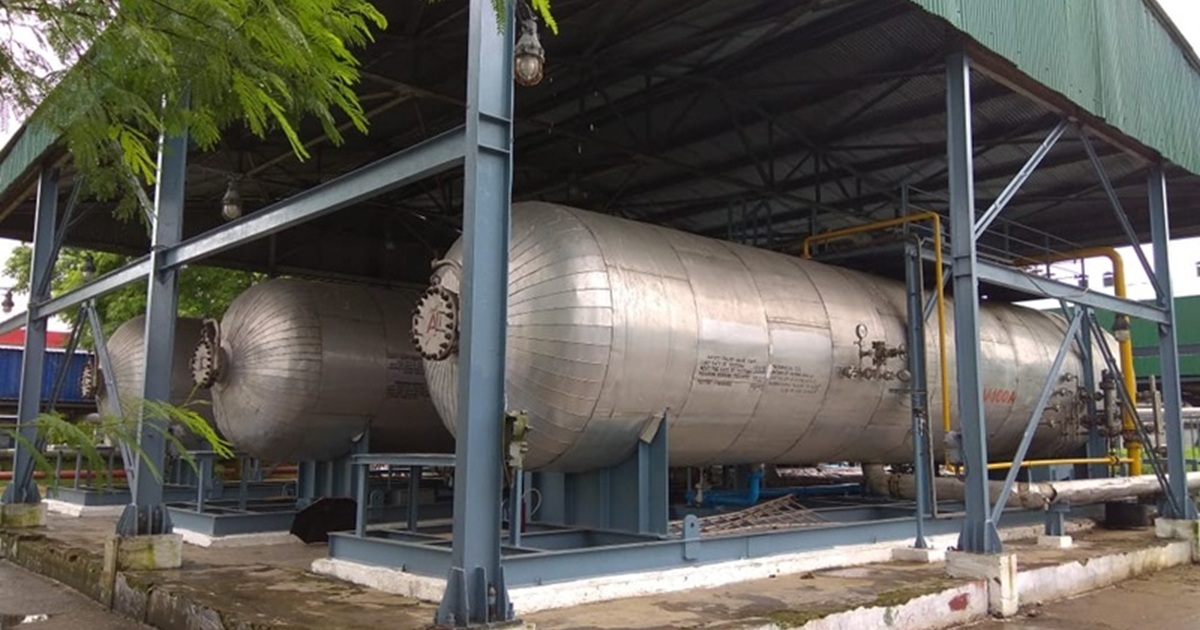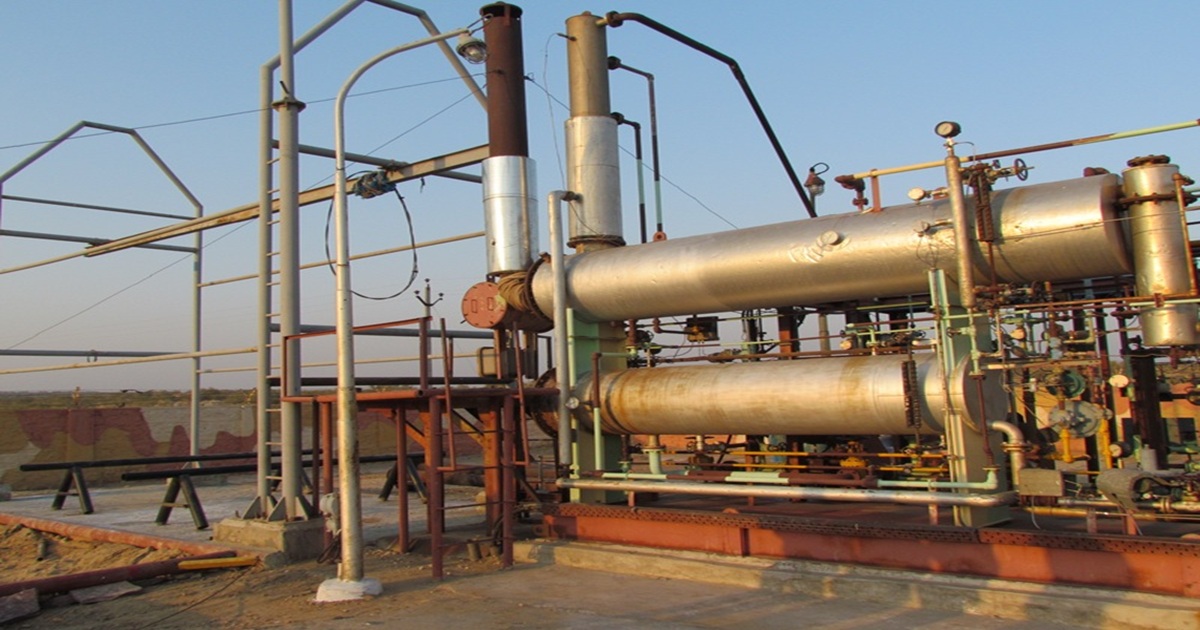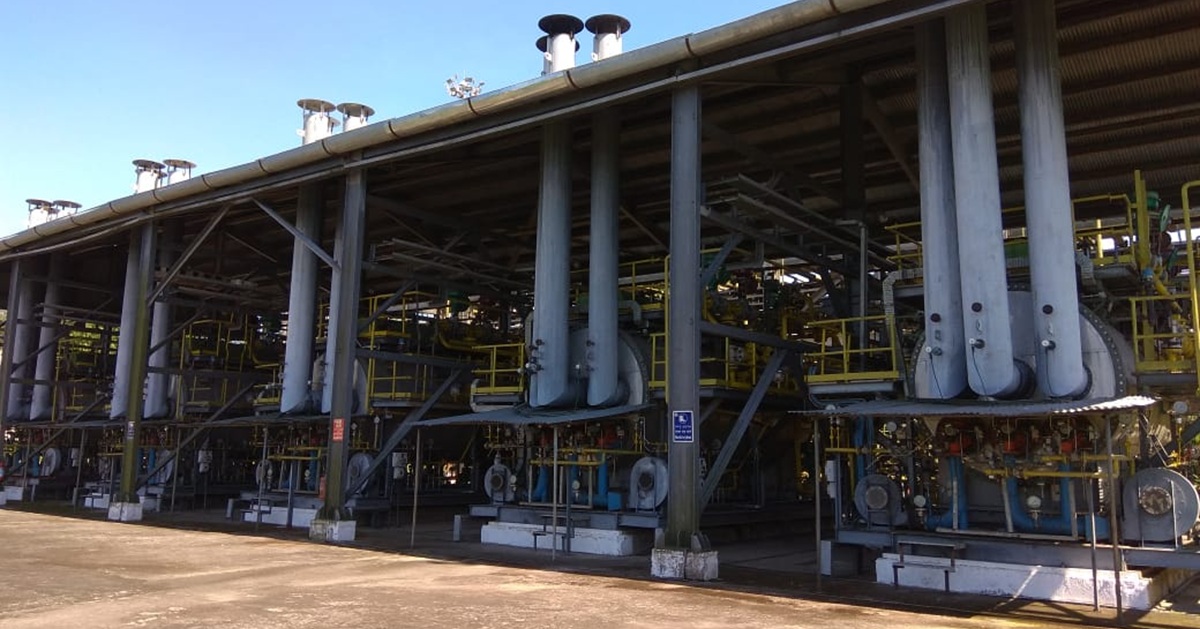
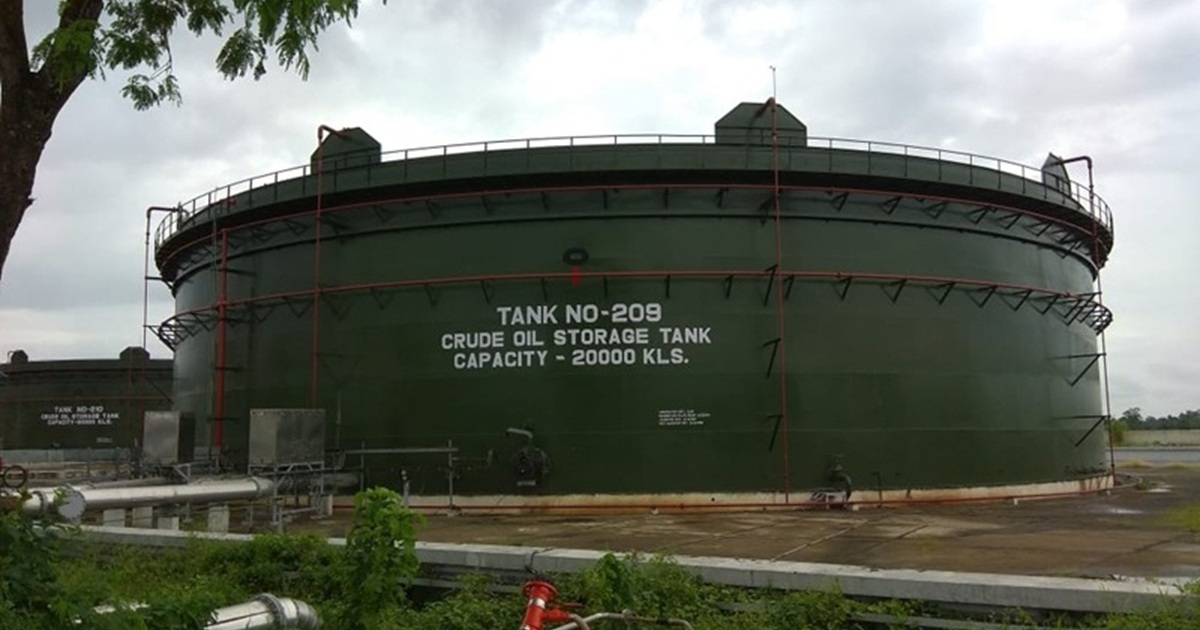
Energy plants, whether they are power plants, oil & gas facilities, renewable energy units, or industrial processing plants, must run smoothly every single day. These plants work with expensive machinery, high pressure, heat, fuel, and chemicals. Even a small mistake or unexpected breakdown can affect production, safety, and costs. For this reason, companies today are shifting from traditional manual maintenance to smart operation and maintenance systems.
Smart O&M systems help energy plants become more reliable, stable, and efficient. They use digital tools, advanced software, sensors, automation, and data analysis to make everyday functioning easier. This blog explains what smart O&M systems are, why they are important, how they improve plant safety and performance, and what the future of maintenance looks like for energy plants.
What Are Smart Operation & Maintenance Systems?
Smart O&M systems are a combination of technology and engineering designed to help energy plants monitor their machinery, detect issues early, and manage daily operations more effectively.
They include:
- Sensors and IoT devices
- Data monitoring dashboards
- Predictive maintenance tools
- Automated alarms and alerts
- Machine learning-based analytics
- Digital inspection tools
In a simple way, smart O&M systems act like the “eyes and ears” of an energy plant. They collect data every second—temperature, pressure, vibration, noise, flow rate, fuel use, and more. This information helps plant teams make better decisions.
The Problem With Traditional Maintenance
For many years, energy plants used preventive maintenance or scheduled maintenance. This means:
- Machines were checked on fixed dates
- Repairs were done based on guesswork
- Inspections depended on manual effort
- Early signs of problems were often missed
This approach has several disadvantages:
- High downtime
- Unexpected breakdowns
- Higher repair costs
- Shorter equipment life
- Safety risks
For example, if a motor starts vibrating unusually, it may take weeks for someone to notice it during a routine inspection. In that time, the damage could worsen.
How Smart O&M Systems Solve This Problem
Smart O&M systems continuously track the health of machines. They don’t wait for
scheduled dates—they monitor everything live.
Here’s how they help:
- Early Problem Detection
Sensors detect small changes in temperature, vibration, or sound. These tiny changes can be the first sign of future failure. Smart systems immediately alert the plant team so the issue can be fixed early. - Predictive Maintenance
Instead of repairing machines after failure, smart systems predict when a machine needs maintenance. This reduces breakdowns and saves money. - Accurate Decision-Making
Dashboards show live reports of machine condition. Plant managers can make fast, informed decisions. - Safety Improvements
When there is overheating, leakage, or abnormal pressure, alarms are triggered automatically. This helps prevent accidents. - Lower Operational Costs
Smart systems reduce unnecessary repairs, save energy, and increase machine lifespan.
Companies like Spectron Group offer tailored smart O&M solutions that help plants reduce downtime and improve reliability without making operations complicated.
Key Components of Smart O&M Systems
A. Sensors and IoT Devices
Placed on equipment such as pumps, compressors, boilers, turbines, and motors.
They monitor:
- Temperature
- Pressure
- Humidity
- Energy consumption
- Vibration
- Noise levels
B. Data Analytics & Monitoring Software
This software collects information and turns it into meaningful insights.
It helps answer questions like:
- Which machine consumes the most energy?
- Which equipment is likely to fail soon?
- How can we improve plant efficiency?
C. Automated Reporting
Instead of manually writing reports, the system auto-generates daily updates. This saves time and reduces human error.
D. Predictive Maintenance Algorithms
Using AI and machine learning, the system can detect patterns that humans might miss.
E. Cloud Connectivity
Data can be monitored from anywhere—control rooms, mobile phones, or laptops.
F. Digital Twins
Some advanced systems even create a digital copy of the entire plant. This helps engineers test changes without affecting real operations.
How Smart O&M Helps Improve Plant Reliability
Energy plants rely on consistency. Smart O&M systems support this in many ways.
- Reduced Downtime
If a machine fails suddenly, the plant must stop operations. Smart systems ensure the warning signs are seen early so shutdowns can be avoided. - Longer Equipment Lifespan
Machines operate smoothly when they are maintained at the right time. Predictive maintenance prevents stress on equipment. - Better Energy Usage
Smart systems track how much electricity, steam, or fuel is used in different parts of the plant. This helps identify areas where energy is wasted. - Enhanced Worker Productivity
With automation, workers do not waste time on unnecessary inspections. They focus only on the areas that need attention. - Improved Safety Conditions
Abnormal readings are detected and alerted instantly. This protects workers from dangerous situations.
Why Energy Plants Are Adopting Smart O&M Quickly
Today’s energy plants face new challenges:
- High competition
- Pressure to reduce emissions
- Strict government regulations
- Demand for uninterrupted power
Smart O&M systems help solve all of these challenges by:
- Reducing operational waste
- Improving energy efficiency
- Supporting environmental compliance
- Making production consistent
Spectron Group supports clients in the energy sector by integrating user-friendly digital maintenance systems that require minimal training.
The Future of Smart Operation and Maintenance
Smart O&M systems will continue to grow. Some future trends include:
- AI-Based Root Cause Analysis
Systems will not only detect issues but also tell exactly why they happen. - Autonomous Inspection Robots
Robots and drones will inspect pipes, boilers, and equipment without human involvement. - Automatic Shutdown and Restart Systems
Plants will be able to shut down and restart automatically in emergency situations. - Better Integration With Renewable Energy
Smart O&M will help manage solar, wind, and hydrogen plants more efficiently. - Zero Human Error Operations
With full automation, mistakes caused by fatigue or manual oversight will reduce drastically.
Conclusion
Smart operation and maintenance systems are changing the way energy plants work. They
make daily operations easier, safer, and more reliable. With real-time monitoring, automated
alerts, and predictive analytics, plants can prevent breakdowns long before they occur. As
industries continue to modernize, the shift towards smart O&M will only grow stronger. Plants
that adopt these technologies early will enjoy lower costs, better performance, and a strong
competitive advantage.