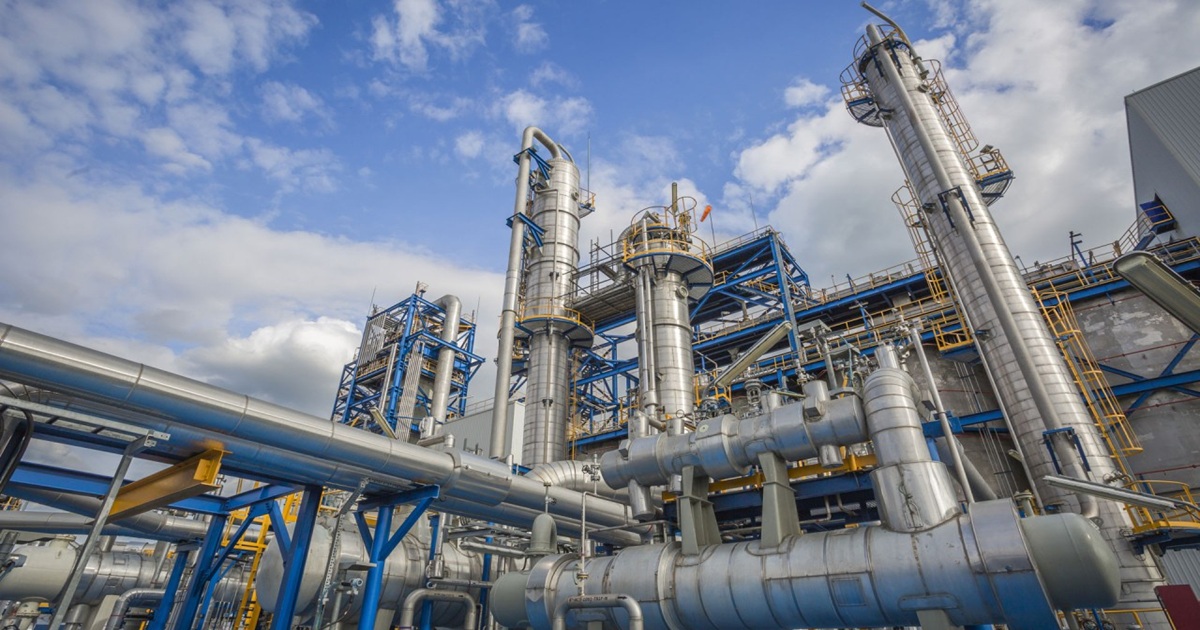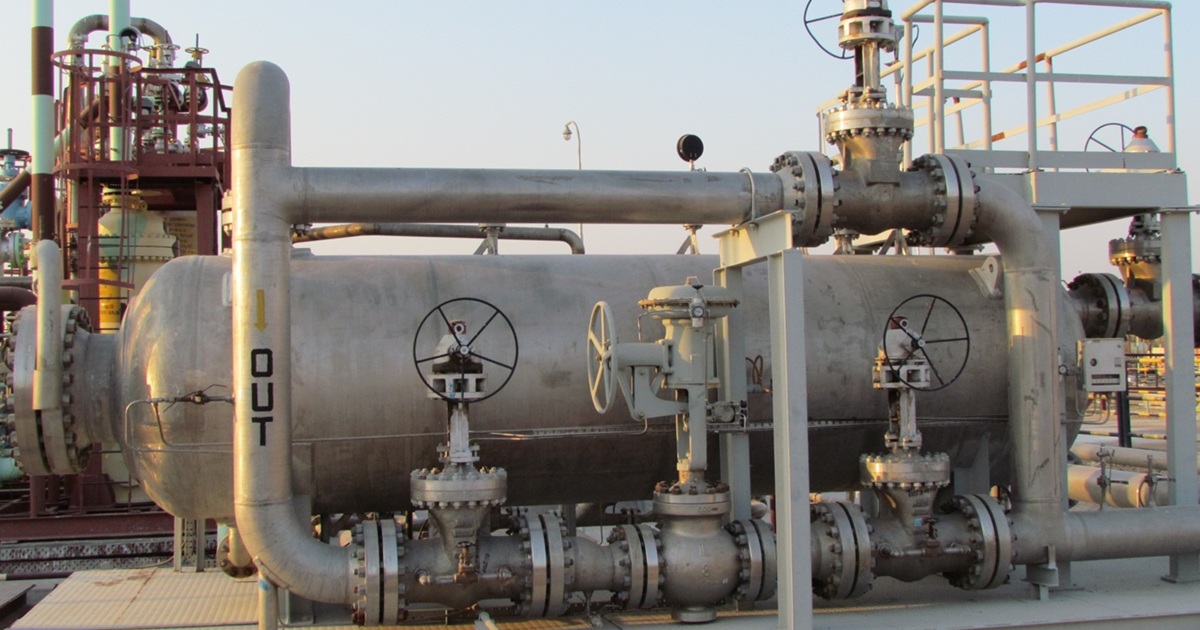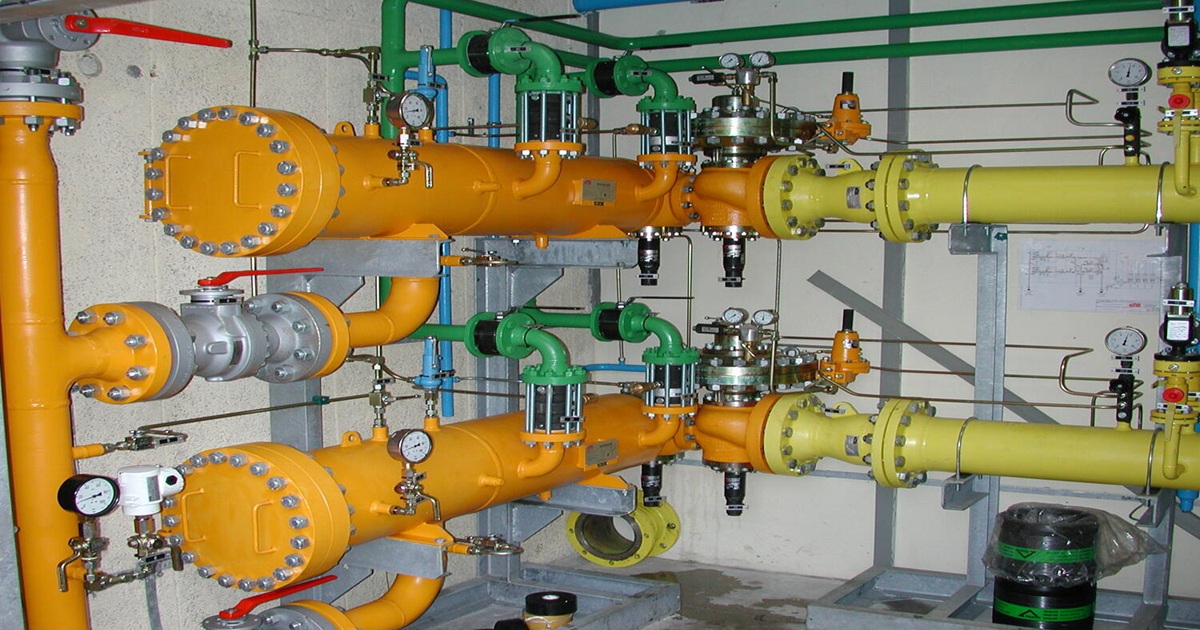
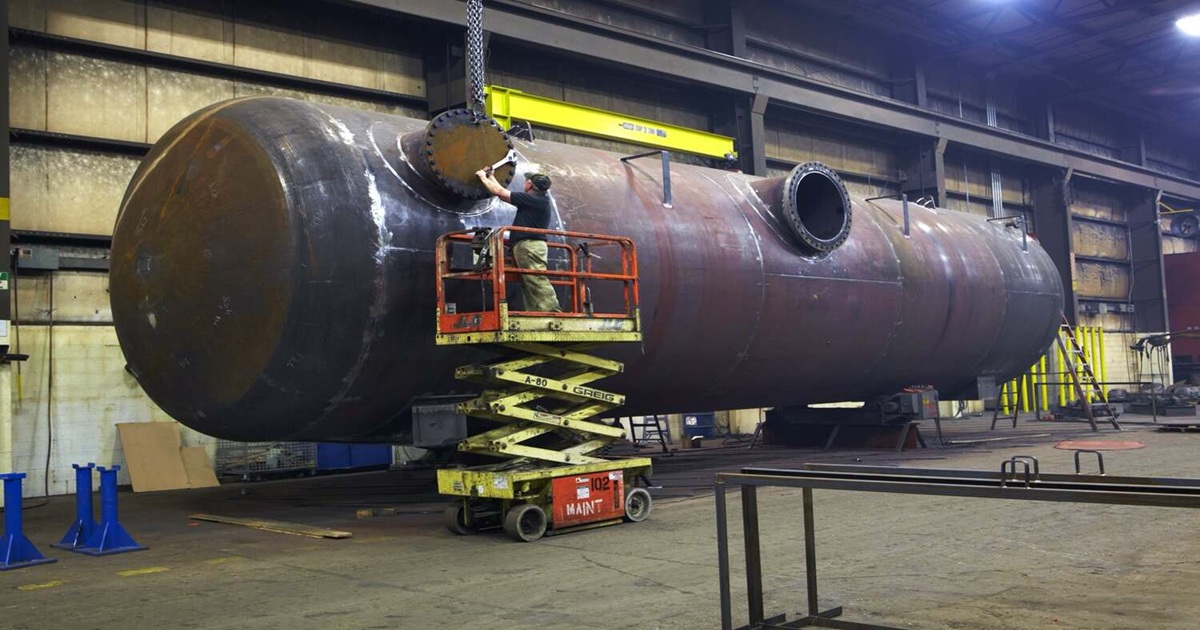
Industrial columns may look like simple tall structures from the outside, but they are among
the most important parts of many energy and manufacturing industries. These columns
support processes such as distillation, purification, absorption, stripping, and chemical
separation. Without them, industries like oil refining, petrochemicals, pharmaceuticals, gas
processing, fertilizers, and food processing would not be able to operate the way they do
today.
A good industrial column manufacturer plays a major role in ensuring that these industries
achieve high-quality output, smooth operations, and safe working environments. In recent
years, the demand for advanced industrial columns has increased because companies want
higher efficiency, lower maintenance costs, and better environmental performance. This blog
explains how industrial column manufacturing supports energy infrastructure, why modern
designs matter, how innovation is shaping the industry, and what companies must consider
when choosing the right manufacturer.
Understanding the Purpose of Industrial Columns
Industrial columns are essentially large vessels designed to allow specific chemical or
mechanical processes to occur inside them. The most common process is distillation, where
different components of a mixture are separated based on boiling points.
For example:
- Crude oil is separated into petrol, diesel, kerosene, and aviation fuel using
distillation columns. - Chemical plants separate gases and liquids to produce plastic, solvents, and
raw materials. - Pharmaceutical companies purify chemicals to meet safety and quality
standards.
These processes must run continuously, often 24 hours a day. Any problem inside the
column can stop production, increase costs, and damage equipment. This is why column
design, manufacturing quality, and installation precision are extremely important.
Types of Industrial Columns
There are several types of columns depending on the purpose:
- Distillation Columns
Used in oil refineries, chemical plants, and gas processing units to separate liquids or gases. - Absorption Columns
Used to remove specific components from gas streams—for example, removing CO? from
natural gas. - Stripping Columns
Used to remove volatile components from liquids. - Packed Columns
Filled with packing materials that increase contact surface area for better separation. - Tray Columns
Equipped with trays that allow vapor and liquid to interact for efficient separation. - Vacuum Columns
Used when sensitive materials need to be processed at low temperatures
Each type has its own design rules, engineering challenges, and material requirements.
Why High-Quality Column Manufacturing Matters
A well-manufactured industrial column provides several advantages:
- Better Energy Efficiency
High-quality columns reduce heat loss and optimize separation efficiency. This means
industries require less fuel or electricity to achieve the same results. - Higher Production Output
Better internal design, proper alignment of trays or packing, and correct material selection
improve the flow and separation inside the column, allowing industries to process more
material in less time. - Fewer Breakdowns
If a column is poorly welded, made of weak materials, or improperly aligned, it can crack or
corrode. This leads to shutdowns, loss of production, and expensive repairs. - Safety Improvements
Industrial columns often handle flammable or toxic materials. A well-designed column
prevents leaks, explosions, and contamination. - Longer Service Life
High-quality manufacturing ensures columns last decades instead of just a few years.
Companies like Spectron Group focus on precision engineering and strong quality control,
helping industries achieve better long-term reliability.
Modern Innovations in Industrial Column Manufacturing
Industrial column manufacturing has advanced significantly in the last decade. Companies
now use new tools, smarter machines, and better-quality materials. Some of the major
innovations include:
- Computer-Based Simulation
Before manufacturing starts, engineers use software to simulate how fluids will behave
inside the column. This helps them optimize tray design, packing structure, and material
thickness. It also reduces trial-and-error costs. - Automation and Robotics
Modern welding systems, robotic cutters, and automated forming machines ensure high precision. This improves the structural strength of the column and reduces human error. - Use of Corrosion-Resistant Alloys
To prevent chemical reactions and corrosion, manufacturers use materials like stainless steel, duplex steel, and special alloys. These materials increase column life and reduce maintenance needs. - Smart Sensors and Digital Monitoring
Columns can now be fitted with sensors that monitor pressure, temperature, vibration, and flow rates. Companies like Spectron Group offer smart integrations that help industries detect problems before they become serious. - Lightweight High-Strength Materials
New materials reduce the weight of the column without compromising strength. This allows easier installation and reduces structural load on plants.
Industries That Depend on Industrial Columns
Industrial columns are essential in:
- Oil Refineries: Fractional distillation of crude oil.
- Petrochemical Plants: Production of plastics, polymers, and solvents.
- Gas Processing Units: Removing impurities and separating gases.
- Pharmaceutical Manufacturing: Purification of active ingredients.
- Food & Beverage Processing: Alcohol distillation, oil purification, flavor
extraction. - Water Treatment Plants: Removing contaminants.
These industries rely heavily on precision, reliability, and safety.
Challenges in Industrial Column Manufacturing
Creating a column is not just about assembling metal. Manufacturers face several
challenges:
- Handling Extreme Temperatures
Columns may operate at temperatures ranging from –50°C to more than 400°C. - Managing Internal Pressure
Some columns work at high pressure, requiring exact welding and strong materials. - Ensuring Perfect Alignment
Improper alignment affects internal flow patterns and reduces efficiency. - Preventing Corrosion
Exposure to chemicals can damage improperly coated or weak materials.
Spectron Group and other reliable manufacturers perform strict testing to ensure columns
can handle these conditions.
How to Choose the Right Industrial Column Manufacturer
Here are important factors industries should consider:
- Experience in similar projects
- Use of modern technology
- Quality certifications
- Skilled engineering teams
- Reliable after-sales support
- Material sourcing quality
- Custom design capability
Choosing the right manufacturer saves money in the long run by avoiding breakdowns and
ensuring better performance.
Conclusion
Industrial columns are more than just equipment— they are the foundation of many essential
industries. A well-designed and well-built column supports safe, efficient, and reliable
operations for decades. As technologies continue to evolve, manufacturers that embrace
innovation and strong engineering practices will play a major role in building the future of
energy and manufacturing. Companies like Spectron Group contribute to this progress by
offering high-quality designs and modern solutions.