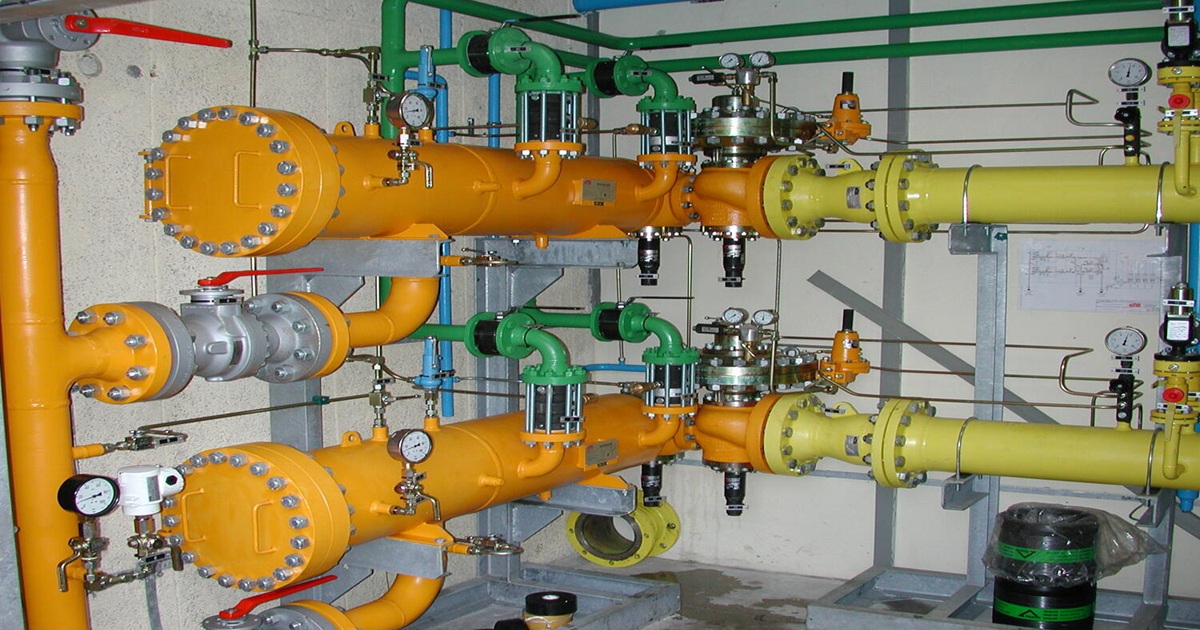
In industrial operations, the safe handling and control of gases are vital. Whether it’s in laboratories, medical facilities, or largescale manufacturing plants, the need for a secure gas distribution system cannot be ignored. That’s where a Mono Block Gas System comes in — a compact and efficient solution designed to handle gases safely while maintaining high performance.
Spectron Group has established itself as a reliable manufacturer providing modern Mono Block Gas Systems that meet strict safety standards while offering long-term durability and energy efficiency. This blog explores what these systems are, how they work, and why Spectron Group’s designs are among the best choices for industries today.
What Is a Mono Block Gas System?
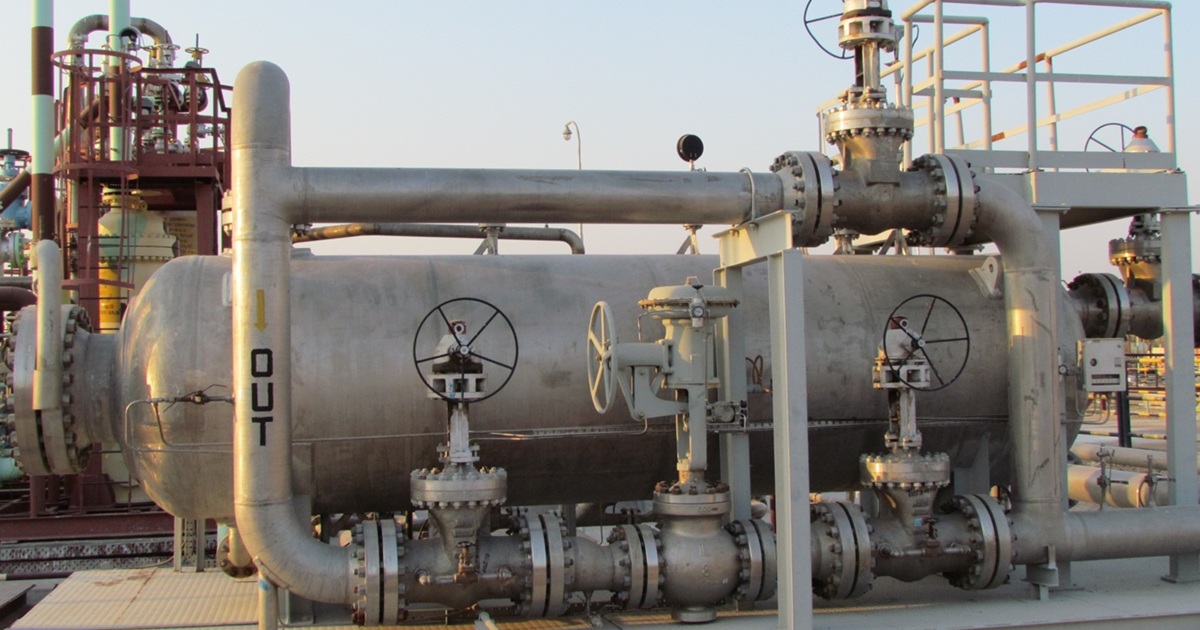
A Mono Block Gas System is a single, compact unit used to control and regulate gas supply from cylinders or tanks to various applications. Unlike older setups that used multiple loose components, the mono block design integrates everything — valves, regulators, gauges, and connectors, into one solid block.
This design ensures:
- Improved safety, as there are fewer joints and leak points
- Simplified installation, since all components are preassembled
- Better space utilization, ideal for laboratories or compact workspaces
- Efficient pressure control for smooth gas delivery
Mono block systems are used for handling gases like nitrogen, oxygen, hydrogen, argon, and carbon dioxide, depending on the industry’s needs.
How Does a Mono Block Gas System Work?
The operation of a mono block gas system is straightforward yet highly efficient:
- Gas Inlet: The gas from the cylinder or source enters the system.
- Pressure Regulation: Built-in regulators reduce the pressure to a safe, usable level.
- Flow Control: Valves allow precise control over gas flow.
- Monitoring: Gauges show pressure readings to ensure safe operation.
- Distribution: The regulated gas is then delivered to equipment or points of use.
The compact design minimizes risk while providing continuous, stable gas flow for sensitive operations.
Features of Spectron Group’s Mono Block Gas Systems
Spectron Group focuses on quality, performance, and safety while designing its Mono Block Gas Systems. Some of their key features include:
- All-in-one design: Integrated regulators, gauges, and safety valves in a single unit.
- Leak-proof connections: Fewer joints mean fewer chances of gas leaks.
- Corrosion-resistant materials: Stainless steel and high-grade alloys ensure long life.
- Easy maintenance: Simple structure makes cleaning and servicing effortless.
- Modular setup: Easy to connect multiple blocks for complex gas networks.
- Safety relief valves: Automatically release pressure in case of overload.
These features make Spectron Group’s systems suitable for industries that require consistent performance under demanding conditions.
Benefits of Using a Mono Block Gas System
Mono block systems are becoming the preferred choice across industries because they combine safety and simplicity. Here’s why:
- Higher Safety: With fewer fittings and joints, there’s minimal risk of leaks.
- Compact Design: Saves valuable space and simplifies setup.
- Efficient Pressure Control: Maintains stable gas flow for sensitive equipment.
- Long-Term Reliability: Durable materials and design reduce wear and tear.
- Easy to Use: Operators find it simpler to handle compared to traditional setups.
- Cost Savings: Reduced maintenance and installation costs over time.
Applications Across Industries
Mono block gas systems are used in a variety of sectors, such as:
- Medical Industry: For safe oxygen and anesthesia gas delivery systems.
- Laboratories: To regulate gases like nitrogen and hydrogen for experiments.
- Food and Beverage: For carbonation, packaging, and preservation processes.
- Manufacturing: For welding, cutting, and metal treatment using industrial gases.
- Pharmaceutical: To maintain clean and controlled environments.
Their adaptability makes them an ideal solution across both small and large-scale operations.
Spectron Group’s Expertise and Innovation
Spectron Group combines precision engineering and advanced materials to produce durable gas systems that adhere to international safety standards. Their team designs each system to suit specific client requirements, ensuring reliability even under high-pressure conditions.
They continuously upgrade their technology to:
- Incorporate digital monitoring for real-time pressure and leak detection
- Use environmentally friendly materials that reduce gas loss
- Offer modular expansion options for future upgrades
This focus on innovation helps businesses enhance safety and efficiency in daily operations.
Maintenance and Safety Tips
To get the most out of a mono block gas system:
- Regularly inspect connections for leaks.
- Ensure proper ventilation in gashandling areas.
- Follow manufacturer instructions for cleaning and servicing.
- Replace wornout parts immediately.
- Train staff to handle gas systems safely.
Proper maintenance ensures longevity and consistent performance.
Conclusion
A Mono Block Gas System is more than just a compact gas control unit — it’s a complete safety solution that simplifies operations while ensuring reliability.
With Spectron Group’s commitment to quality, innovation, and safety, their mono block systems have become trusted tools for industries seeking dependable gas handling. From design to delivery, every product reflects their dedication to making operations safer, smarter, and more efficient.